

Custom Merchandise for Tribal Casinos: A Complete Guide
Quick Summary
Custom merchandise for tribal casinos turns guest visits into lasting memories and extends the property's branding beyond the gaming floor. Effective programs match product types to each audience, choose durable giveaways guests use repeatedly, and involve tribal leadership in design approval before any order is placed.
- Match product types to each audience, such as players, hotel guests, event attendees, employees, and gift shop customers.
- Choose giveaways guests use repeatedly, since an item left in a drawer builds no loyalty.
- Embroidery suits polo shirts, jackets, caps, and uniforms, while screen printing suits t-shirts, towels, and totes.
- Approve every design in writing, with tribal leadership or cultural committees, before production begins to avoid costly reprints.
- Ask procurement whether an approved vendor list exists and what documentation a supplier must provide.
Table of Contents
- What Custom Merchandise Does for a Tribal Casino
- Matching Merchandise Types to Audience and Purpose
- Casino Giveaway Items That Earn Guest Loyalty
- Casino Promotion Ideas Built Around Merchandise
- Embroidery vs. Screen Printing: Branding Methods Compared
- Designing Culturally Respectful Tribal Merchandise
- Vetting Suppliers and Buying Custom Merchandise Wholesale
- Planning Bulk Orders, Logistics and Specifications
- Booking Your Product Presentation for a Tribal Merchandise Program
- Frequently Asked Questions
What Custom Merchandise Does for a Tribal Casino
Custom merchandise for tribal casinos turns guest visits into lasting memories, and it gives the property a branded presence that extends beyond the gaming floor. A well-designed program can reinforce the resort's identity, reward loyal players, and reach visitors who may never see a traditional advertisement. For a tribal gaming venue, the merchandise also carries a responsibility: it should reflect the nation's identity accurately and respectfully.
Most programs serve three purposes at once. They build brand recognition among guests, they create a reason for visitors to return, and they give staff a professional, consistent look.
Watch out: ordering large quantities before confirming the artwork and logo placement with tribal leadership can force costly reprints. Approve every design in writing before production begins.
Matching Merchandise Types to Audience and Purpose
The right product depends on who receives it and why. A guest reward at a slot club calls for something different from a gift shop item sold to a day visitor. Start by listing your audiences: players, hotel guests, event attendees, employees, and gift shop customers. Then match one or two product types to each.
For premium players, a leather tote or a high-quality drinkware set signals value. For casual visitors, a towel or a set of coasters works well as a low-cost takeaway. Employees need apparel and uniforms that hold up to daily wear. Keep each product tied to a clear purpose so the program does not become a catalog of unrelated items. Browse the dishes collection to see a home-and-table product line suited to gifting.
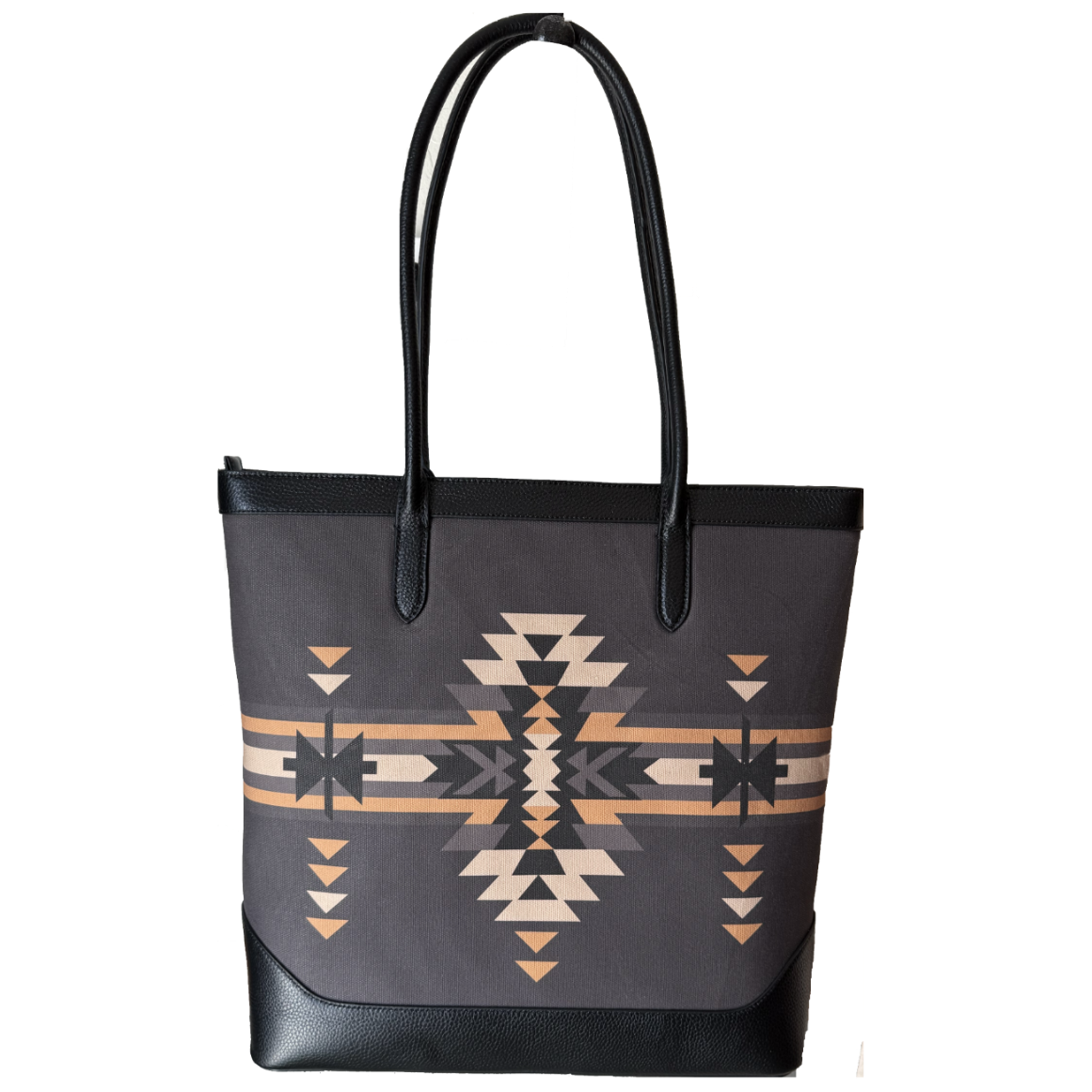
Casino Giveaway Items That Earn Guest Loyalty
Giveaways work best when guests actually use them after they leave. Insulated drinkware is a strong choice because it appears daily in a guest's routine. The American Native™ 40oz Insulated Bottle - Creek ($22.00) is an example of a piece that keeps drinks cold or hot and carries a heritage-inspired design.

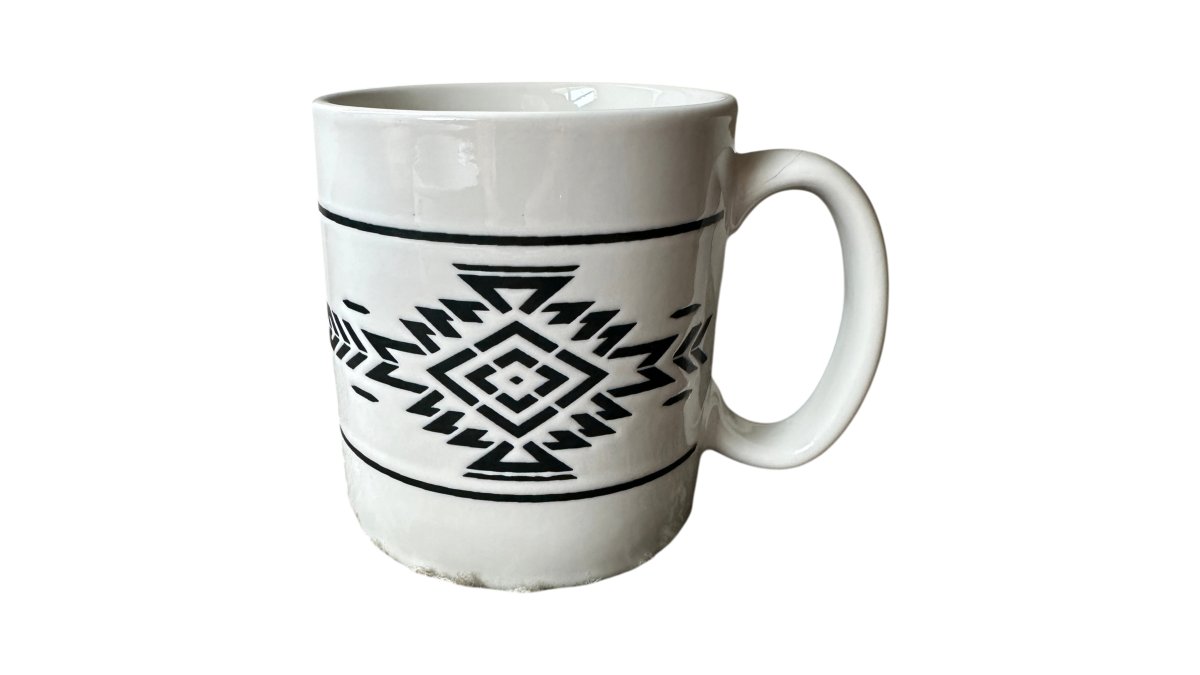
A mug set is another practical option for loyalty programs. The American Native™ Crosswinds Mug Set ($50.00) includes four 14oz mugs, which suits a player-club reward or a hotel welcome gift.
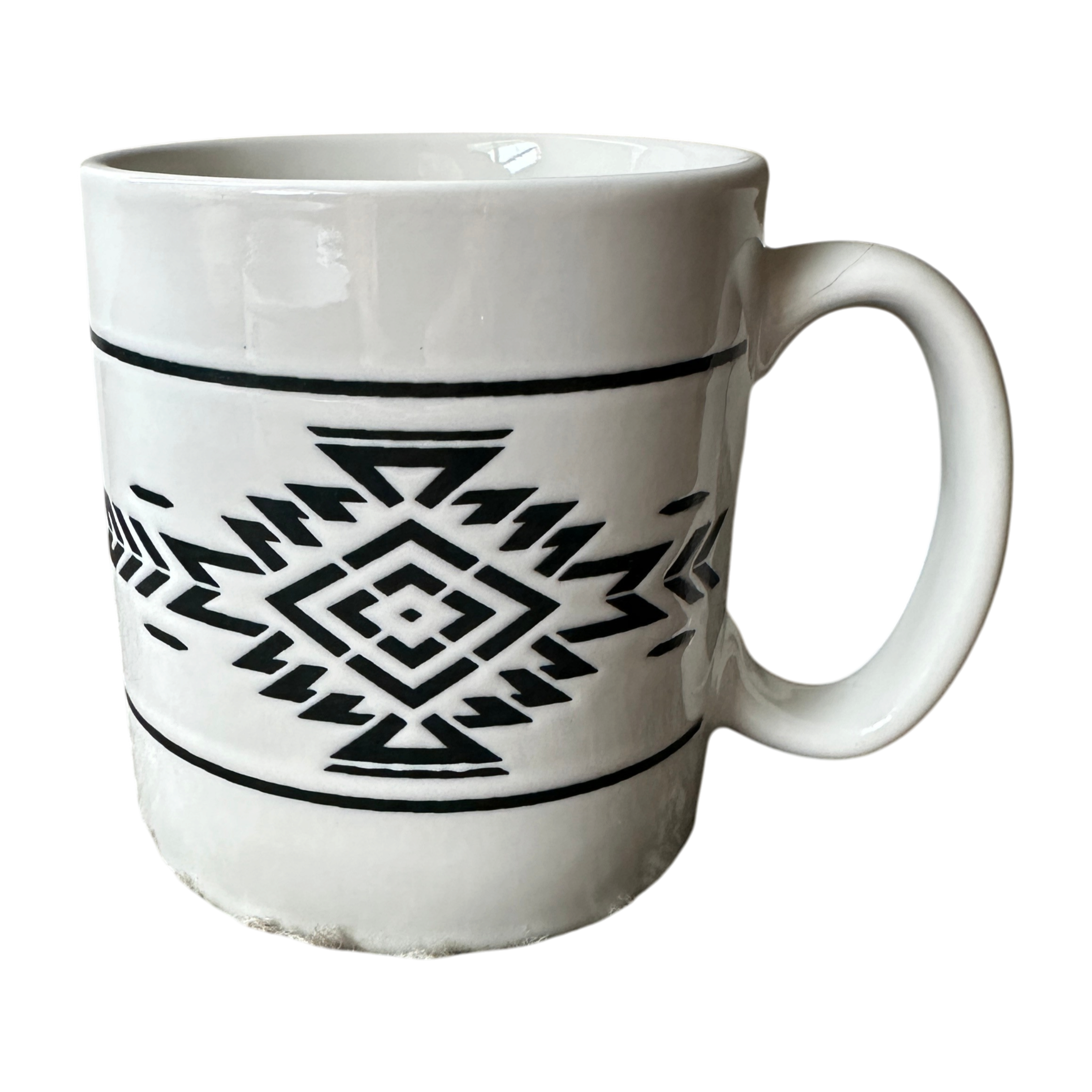
Choose items guests will use repeatedly, because a giveaway that ends up in a drawer builds no loyalty at all. You can browse the American Native™ Turkish Beach Towel Black Yellow to see how a branded towel looks as a giveaway candidate.
Casino Promotion Ideas Built Around Merchandise
Merchandise becomes more effective when it is tied to a promotion with a clear trigger. Common structures include tier rewards, tournament prizes, and seasonal gifts. A player who reaches a set spending threshold receives a drinkware set; a tournament winner receives a custom-branded item that reinforces the event.
Avoid promotions that are too complicated for staff to run consistently. A simple rule, such as one item per visit above a stated threshold, is easier to execute and easier for guests to understand. Track redemptions from the start so you know which items drive return visits.
Embroidery vs. Screen Printing: Branding Methods Compared
Choosing the right decoration method affects durability, appearance, and cost. The two most common options for tribal casino merchandise are embroidery and screen printing.
| Method | Best For | Pros | Cons |
|---|---|---|---|
| Embroidery | Polo shirts, jackets, caps, uniforms | Durable, premium texture, holds up to frequent washing | Higher per-unit cost, limited detail, not ideal for large color areas |
| Screen printing | T-shirts, towels, tote bags, large graphics | Low cost per unit at volume, vivid colors, fine detail | Can crack or fade over time, setup cost per color |
Designing Culturally Respectful Tribal Merchandise
Design decisions carry cultural weight. Symbols, patterns, and language may hold specific meanings within a nation, and using them without consultation can cause real harm. Before any artwork goes into production, involve tribal leadership, cultural committees, or designated artists in the review process. Ask who has the authority to approve sacred or ceremonial imagery, and document that approval.
Respectful design also means avoiding stereotypes and costume-like imagery. Work with artists who have a direct connection to the nation whenever possible, and credit them appropriately. A design that tribal members recognize as authentic will serve the casino far better than a generic imitation.
Vetting Suppliers and Buying Custom Merchandise Wholesale
Tribal casino purchasing rarely works like a standard corporate buy. Many properties route merchandise through a procurement department, a purchasing committee, or a gaming commission-adjacent review process, and the vendor has to be qualified before a purchase order is issued. Understanding that workflow before you request a quote saves weeks.
Start by asking the property's procurement office three questions: Is there an approved vendor list, what documentation is required to be added to it, and what is the threshold for a formal bid? A common pattern is that smaller orders can be handled with a purchase order and a W-9, while larger programs require a written proposal, certificates of insurance, and sometimes a bid comparison from multiple suppliers. Vendors that show up with those documents already prepared move through onboarding faster.
A strong proposal for a tribal casino buyer usually includes:
- A line-item quote with unit price, setup fees, minimum order quantities, and freight broken out separately.
- A production timeline with artwork approval, sampling, and delivery dates tied to the property's event calendar.
- Proof of insurance and a completed vendor packet, if the property requires one.
- Documentation of how artwork was developed and who approved it, especially for any design that references tribal names, symbols, or language.
- References from other hospitality or gaming clients, with contact information the buyer can verify.
When comparing quotes, look beyond the unit price. Factor in minimum order quantities, setup fees, sample costs, lead times, and reprint policies. A slightly higher unit price from a supplier with reliable delivery often costs less than a cheap order that arrives late or with errors.
Supplier diversity is also part of the conversation at many properties. Ask whether the supplier is tribally owned, whether it sources from tribal or Native-owned producers, and whether it can document that. A vendor that can show a clear chain from artist to production to delivery is easier to defend internally than one that cannot.
Planning Bulk Orders, Logistics and Specifications
The sheet should list, for each item: product name and SKU, quantity by size or color, decoration method, logo file format, placement dimensions, packaging requirements, and the delivery address with receiving hours. Confirm that logo files are vector formats such as AI, EPS, or PDF so the supplier can reproduce them accurately at any size.
Approve the sample in writing, and keep a signed copy of the approval with the purchase order. If the property has a marketing or tribal liaison who signs off on design, route the proof through that person before production begins.
Build the timeline backward from the event or opening date. A typical sequence is artwork approval, sample production and shipping, sample approval, bulk production, and freight. Add a buffer for revisions and for receiving delays at the property. For a first order with a new supplier, plan on more time than the supplier quotes, not less.
Minimum order quantities vary widely by product and decoration method. Screen-printed apparel often carries a lower minimum than embroidered items, and mixed-product orders can sometimes combine several items into one shipment to hit a freight minimum. Ask whether the supplier offers a smaller minimum for a first order or a sample run before a full commitment.
Replenishment and inventory planning deserve a line on the spec sheet too. Decide in advance how the property will reorder a popular item, who owns the artwork files, and whether the supplier keeps the screens or embroidery files on file for future runs. For giveaway programs tied to a recurring event, a standing order with a scheduled delivery date is easier to manage than a series of one-off purchases.
Booking Your Product Presentation for a Tribal Merchandise Program
The best way to evaluate a merchandise program is to see the products in hand and discuss your property's needs directly. American Native™ offers product presentations for retail managers, procurement officers, and hospitality teams planning custom programs for tribal-owned casinos, resorts, and museums. Schedule a Product Presentation with American Native™ to review options for your property's next program.
Frequently Asked Questions
What custom merchandise works best for tribal casino gift shops?
Drinkware, ceramic tableware, coasters, blankets and bags sell well in tribal casino gift shops because guests can take them home easily and they reflect heritage-inspired design. Insulated tumblers such as the American Native 40oz Insulated Bottle in Creek, priced at $22.00, and the American Native Crosswinds Mug Set of 4 at $50.00, give guests everyday-use items tied to the venue's identity. Pick items that match your audience's purpose, whether that is a souvenir, a gift or a daily-use product.
What are popular casino giveaway items?
Casino giveaway items typically include drinkware, coasters, keychains, pens and small household goods that guests will use after their visit. For giveaways, durable items with a clean logo or artwork perform best because they keep the venue visible in daily life. Tumblers and coaster sets are practical choices, and a six-piece coaster set with holder is priced at $24.00 from American Native, which makes it a manageable option for guest gifts or promotional drops.
How can tribal casinos source authentic Native-inspired gifts?
Start by asking suppliers who designs and makes each product, whether artists are credited, and how the design connects to a specific cultural source. A Native woman-owned brand such as American Native, established in 2017, offers curated home décor, blankets, drinkware and bags, and it provides custom product programs for tribal-owned casinos and resorts. Request documentation of design origin and artist participation before committing to a program.
What should casinos consider when choosing branded merchandise?
Consider the audience, the purpose of the item and the brand identity you want to project. Gift shop buyers, guests receiving giveaways and staff needing uniforms each require different products and budgets. Also review customization options, minimum order quantities, production timelines and how the merchandise will be displayed. A practical starting point is to map each product type to a specific audience and goal before requesting quotes.
How can a casino merchandise program serve both guests and retail customers?
Separate retail products that guests buy from giveaway items that the venue distributes for free, and price each category to match its role. Retail items should carry the venue's identity at a price guests accept as a souvenir, while giveaways should be cost-controlled and durable. Using the same design language across both categories keeps the program consistent and makes the merchandise recognizable across the property.
What is the difference between casino promotional items and gift-shop merchandise?
Promotional items are usually given away or bundled with a campaign to drive visits, play or loyalty sign-ups. Gift-shop merchandise is sold to guests who want a keepsake and is expected to hold its value as a product. Promotional items prioritize low unit cost and brand visibility, while gift-shop items prioritize quality, design and perceived value.
How can casinos evaluate wholesale merchandise suppliers?
Evaluate suppliers on design provenance, production quality, customization capability, minimum order quantities, lead times and references from other venues or institutions. Ask for samples before committing, confirm imprinting methods and request written specifications for colors and materials. Verify that the supplier can handle bulk orders on schedule, since delays during a promotion can waste the campaign's budget.


